

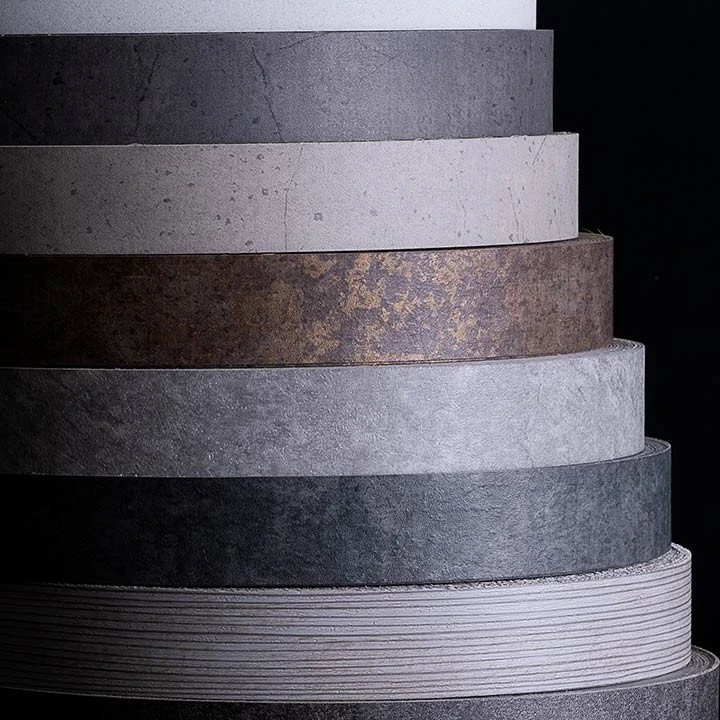


Industry Trends: Optimizing Edgebanding Thickness
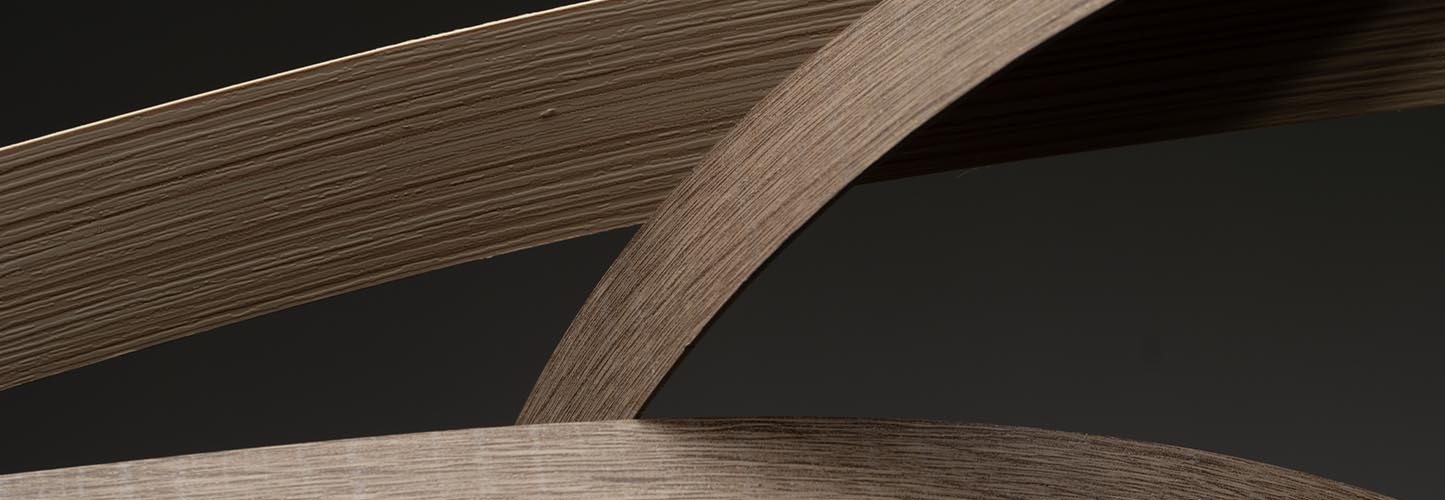
The question of thickness remains a primary topic of discussion with our distributors and furniture producers. Choosing the correct thickness dictates both the aesthetic output and the operational efficiency of the production line. Below is our direct assessment based on current global manufacturing trends.
1- The Shift to 0.8mm and 1.0mm (The New Standard)
The Good: 1.0mm is rapidly replacing 2.0mm as the definitive global standard for residential furniture. It perfectly balances material cost and impact resistance. From a design perspective, it provides a tight, sleek radius essential for modern aesthetics. Technically, it is thick enough to completely prevent telegraphing (showing particleboard or MDF core imperfections) on currently trending high-gloss and super-matte finishes. It requires fewer machine adjustments when switching between standard board thicknesses.

2- The Decline of 2.0mm in Residential
The Bad: 2.0mm is increasingly viewed as aesthetically outdated for modern residential furniture. It yields a bulky radius and a pronounced "thick edge" look that clashes with minimalist design trends.
The Good: It remains strictly necessary and the superior choice for high-impact environments. Commercial, medical, and educational furniture require maximum impact resistance, making 2.0mm the mandatory specification for these specific sectors.

3- The Limitation of 0.4mm
The Bad: Unsuitable for visible fronts on modern finishes. It offers negligible impact resistance and provides zero masking for core board defects, meaning any telegraphing will be highly visible.
The Good: Highly cost-effective strictly for hidden edges. Using 0.4mm on cabinet backs, bottom edges, or internal structural components is the most efficient way to reduce costs on extreme budget lines without compromising the visible exterior.

In Conclusion: The market is heavily consolidating around 0.8mm / 1.0mm for general operational efficiency and modern aesthetics. We recommend standardizing 0.8mm / 1.0mm for general production, while strictly relegating 2.0mm to specialized high-impact projects and 0.4mm to hidden-edge budget applications.


